Rising electricity costs, sustainability goals, and the need for long-term energy stability have pushed many factories, warehouses, and commercial facilities to look seriously at industrial solar solutions. For energy-intensive operations, solar is no longer just an environmental choice — it is increasingly a strategic business decision.
Industrial solar systems can help reduce monthly power bills, stabilize energy expenses, and support greener operations. But before a company invests, it’s important to understand what industrial solar actually involves, where it works best, and what factors affect performance and return on investment.
What Are Industrial Solar Solutions?
Industrial solar solutions refer to solar power systems designed for factories, plants, warehouses, logistics centers, processing units, and other large-scale commercial or industrial sites. These systems are usually built to offset a significant portion of the facility’s electricity consumption.
Unlike small residential setups, industrial installations often require:
- Higher capacity systems
- Detailed load analysis
- Strong structural planning
- Customized mounting design
- Electrical integration with existing operations
- Careful coordination to reduce downtime during installation
They can be installed as:
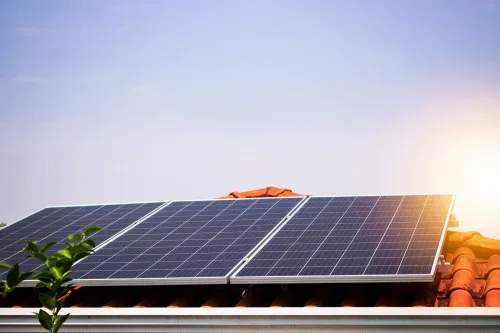
- Rooftop solar systems
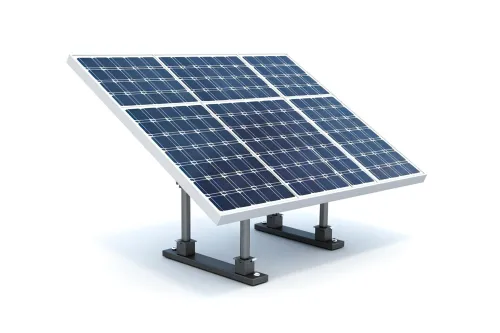
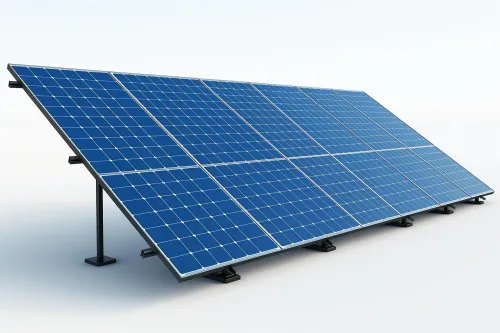
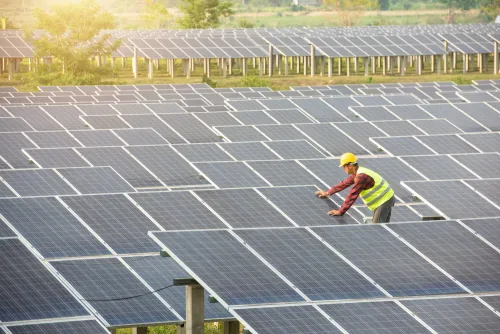
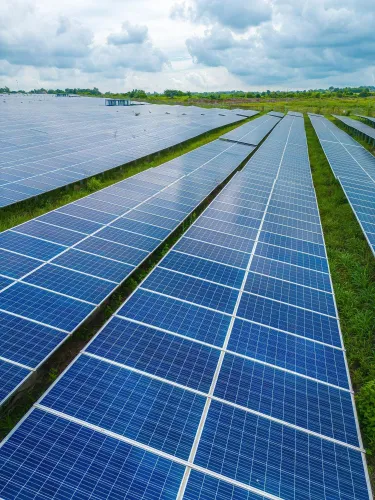
- Ground-mounted solar plants
- Solar carports
- Hybrid systems with battery backup, depending on the site and energy requirements
Why Industries Are Turning to Solar
Industrial and commercial energy users typically have some of the highest electricity demands. That makes them ideal candidates for solar adoption. Here’s why:
1. Lower Electricity Costs
Solar helps reduce dependence on grid power, especially during daytime hours when industrial loads are often at their peak. Over time, this can lead to substantial savings.
2. Better Predictability
Power tariffs tend to rise over time. A solar installation helps lock in a portion of your energy cost, making long-term budgeting easier.
3. Sustainability and Compliance
Many businesses now have internal ESG goals or need to meet sustainability expectations from clients, investors, and regulators. Solar can support these objectives in a measurable way.
4. Improved Energy Resilience
When paired with the right design and backup systems, solar can improve operational continuity and reduce exposure to grid fluctuations.
5. Stronger Brand Positioning
For manufacturers and industrial brands, clean energy adoption can strengthen market reputation and support green procurement requirements from large customers.
Common Types of Industrial Solar Projects
Different facilities need different solar configurations. The right solution depends on available space, load profile, and operational priorities.
Rooftop Solar
This is one of the most common options for industrial facilities with large roof areas. It is often suitable for warehouses, factories, and distribution centers with stable daytime consumption.
Best for:
- Large sheds and factory roofs
- Warehouses
- Units with high daytime electrical loads
Ground-Mounted Solar
If rooftop space is limited or unsuitable, ground-mounted systems can be installed on open land near the facility.
Best for:
- Plants with unused land
- Manufacturing units with space around the premises
- Larger capacity requirements
Solar Carports
These installations use parking areas for solar generation while offering shade and vehicle protection.
Best for:
- Corporate campuses
- Industrial parks
- Logistics and office-adjacent facilities
Hybrid Solar with Storage
In some cases, industries need solar combined with batteries to support backup power, peak shaving, or energy shifting.
Best for:
- Critical operations
- Sites with unstable grid supply
- Facilities with high evening demand
Key Factors That Affect Solar Performance
Before planning an industrial solar project, businesses should evaluate a few important technical and financial factors.
Load Profile
Understanding when and how much electricity the facility uses is essential. Solar works best when generation aligns with consumption, especially during daylight working hours.
Available Space
Roof strength, shading, structural condition, and available open land all affect what kind of system can be installed.
Grid Connection and Net Metering
Depending on local policy and utility rules, exporting excess power to the grid may be possible. This can improve the economics of the project.
Maintenance Requirements
Solar systems are relatively low-maintenance, but regular cleaning, monitoring, and periodic inspections are important for long-term performance.
System Design Quality
A well-designed system can perform efficiently for years, while poor layout or component selection can reduce output and create avoidable issues.
What Industries Should Ask Before Investing
If you are considering industrial solar, start with these practical questions:
- What is our average monthly electricity consumption?
- How much of that load happens during sunlight hours?
- Do we have enough roof or land space?
- Is the roof structurally suitable for solar?
- Can our operations tolerate installation in phases?
- What savings can we realistically expect?
- What maintenance and monitoring will the system need?
- Are there regulatory or utility approvals required?
These questions help determine whether solar is a good fit and what project size makes sense.
Benefits Beyond Cost Savings
While cost reduction is often the main driver, industrial solar can deliver other advantages too.
Operational Stability
A solar system can reduce dependence on unpredictable energy markets and support more stable operations over time.
Lower Carbon Footprint
For businesses tracking emissions, solar directly reduces scope 2 electricity-related emissions.
Better Use of Idle Space
Rooftops, parking areas, and unused land can become productive assets instead of dormant surfaces.
Long-Term Asset Value
A properly engineered solar installation becomes part of the site’s infrastructure and can generate value for many years.
Common Misconceptions About Industrial Solar
“Solar only works for small buildings.”
Not true. Industrial solar systems are specifically designed for large energy users and can scale significantly.
“The upfront cost is always too high.”
While initial investment can be substantial, many projects are designed around payback periods that make long-term sense for businesses with high power bills.
“Maintenance is complicated.”
Most systems require only periodic cleaning, inspection, and performance monitoring.
“Solar won’t meet industrial energy demand.”
Solar may not replace every unit of grid power, but it can offset a significant portion of daytime usage — often where the demand is highest.
The Importance of Professional EPC Execution
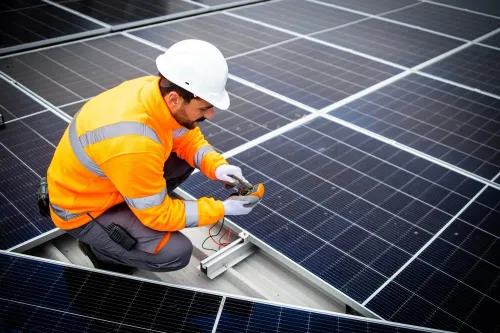
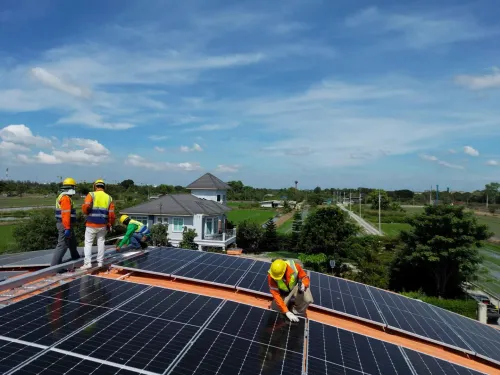
For industrial projects, execution matters as much as design. A solar EPC partner handles the engineering, procurement, and construction aspects of the project, ensuring the system is installed safely and performs as expected.
That includes:
- Site evaluation
- Load analysis
- Structural and electrical design
- Equipment selection
- Installation and commissioning
- Testing and performance checks
In a market like Jaipur, where industrial growth and solar adoption continue to expand, businesses often look for EPC teams that understand both technical requirements and local conditions. Solsken Energy LLP, for example, has been active in India’s solar EPC space since 2016 and has executed large-scale projects across the country, including industrial and rooftop solar installations.
Choosing the Right Industrial Solar Partner
When evaluating solar providers, businesses should look beyond pricing alone. A good partner should be able to explain:
- Whether your site is suitable for solar
- How much energy the system can realistically generate
- What approvals and timelines are involved
- How the project will be maintained after commissioning
- What warranty and monitoring support is included
For industrial buyers, the best outcomes usually come from teams that combine technical planning with practical implementation experience.
Final Thoughts
Industrial solar solutions are helping businesses turn energy from a recurring expense into a strategic asset. Whether the goal is to cut power bills, improve sustainability, or make better use of available space, solar can offer a strong long-term return when designed and executed properly.
For industrial facilities, the key is not just installing panels — it is building a system that matches load patterns, site conditions, and business goals. With the right planning, solar can become a dependable part of a company’s operational strategy for years to come.
Keywords