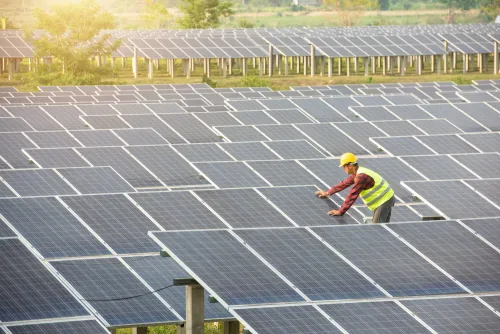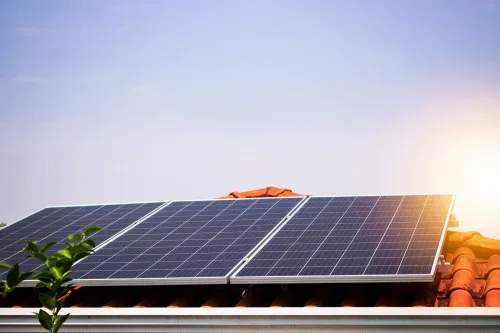
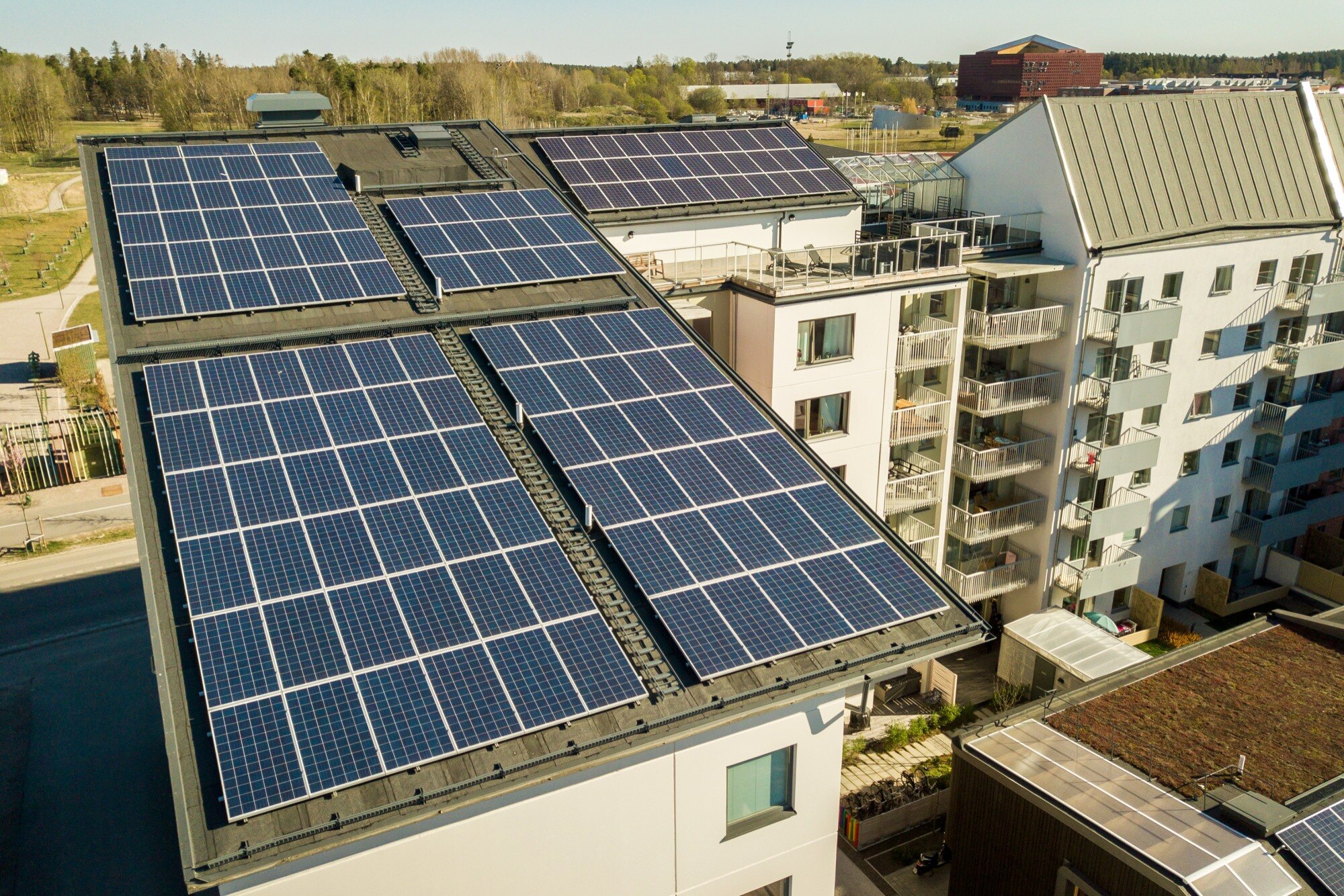
The right choice depends on your electricity use, roof, outage experience, tariff, and how long you expect to live in the home. By comparing system types, backup limits, lifetime costs, and installer obligations, you can decide whether to stay with grid power, add solar panels, or combine solar with storage.
Key takeaways
- Choose solar when your roof, usage, budget, and stay duration support the investment.
- A grid-tied system shuts off during outages unless paired with approved battery backup.
- Compare 12 months of bills, installation costs, financing, maintenance, and replacement risks.
- Collect bills, roof details, outage needs, and ownership documents before requesting quotes.
Which homeowners benefit from solar, and who should stay with grid power?
The right choice depends on your household, not a generic system-size recommendation. Compare residential solar company or grid power against your roof, electricity use, outage needs, budget, and expected time in the home.
| Situation | Stronger choice | Why |
|---|---|---|
| Renter or likely to sell soon | Grid power | You may not recover installation costs or transfer obligations |
| Very low use, shaded roof, or limited roof area | Grid power | Solar panels may not generate enough savings to justify the project |
| High daytime use, frequent outages, unshaded roof, long occupancy | Solar | You can use more generation directly and reduce expensive grid purchases |
| Sound roof with modest outage needs | Grid-tied solar | You reduce purchases while retaining the grid at night |
| Essential backup during outages | Battery-backed solar | A battery and suitable inverter can power selected circuits |
Before sizing solar panels, reduce waste through air sealing, insulation, efficient lighting, appliance upgrades, and repairs to unusually high loads. Compare each measure’s cost with the cost of generating the electricity it would save; a smaller system can improve the economics.
Measure the roof before committing. If it is near the end of its life, replace it first, because removing and reinstalling an array adds labor and electrical risk. Check structural capacity for panel weight and wind uplift. A roof that cannot fit enough panels to offset meaningful consumption may not justify the project.
For every household, compare expected avoided electricity purchases with equipment, financing, maintenance, and remaining grid charges. Grid power is not free, but solar is not free either.
What happens when solar production is low or the grid fails?
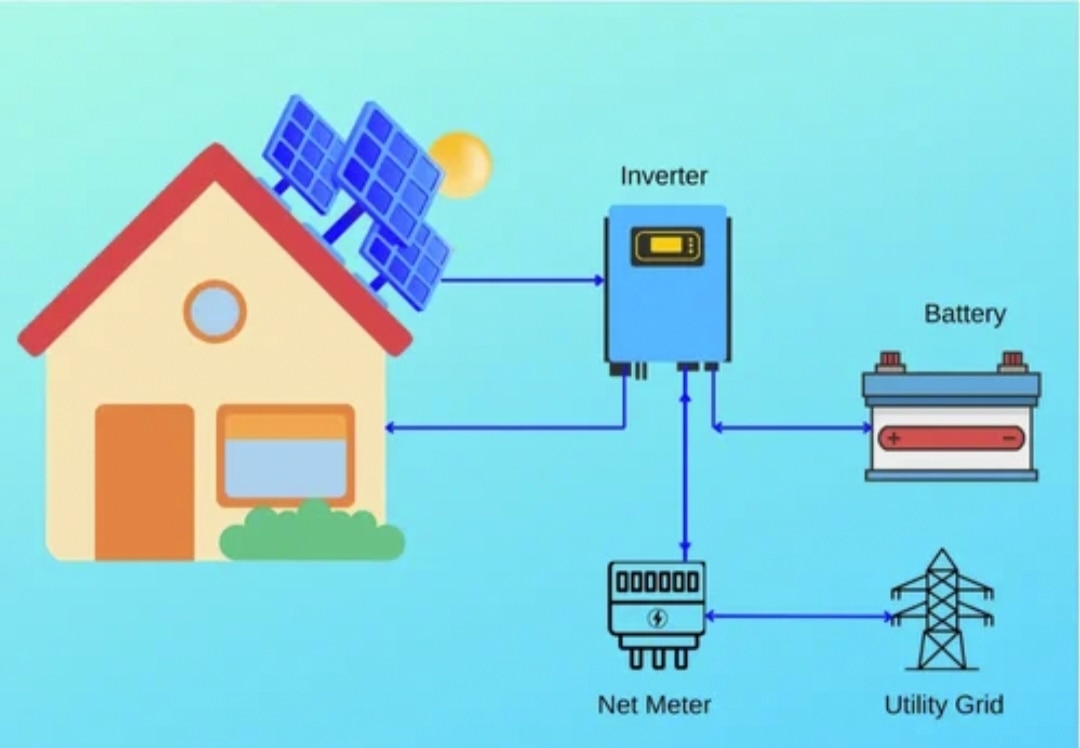
A standard grid-tied solar system does not power your home during a utility outage: its inverter shuts down under anti-islanding protection so it cannot energise lines being repaired.
| Option | What it means | When it applies |
|---|---|---|
| Fully grid-connected | Buy all electricity from the utility | Reliable grid, no solar installation |
| Grid-tied solar | Use solar first, export surplus under local net-metering or gross-metering rules, and import power at night or when demand exceeds production | Suitable roof and a functioning grid |
| Battery-backed solar | Add an approved battery inverter and critical-loads panel for outage power | Backup matters and you can limit circuits |
| Off-grid solar | Operate without utility supply using generation and storage | Grid access is absent or unreliable |
Follow this comparison procedure before reviewing quotes:
1. Request monthly and annual production models, not only a nameplate figure in kilowatts. Monsoon clouds, winter conditions, shade, roof direction, tilt, and high panel temperature change output in kilowatt-hours.
2. Identify the circuits that need backup. Air-conditioning, pumps, electric water heaters, and heating equipment can exceed an inverter’s kilowatt rating or drain a modest battery quickly.
3. Separate battery capacity from power: kilowatt-hours measure stored energy, while kilowatts measure the appliances the inverter can run at once. A battery does not make every appliance independent.
4. For an off-grid design, demand generation and storage sized for the least favourable operating periods. For a residential solar installation, also check how the home uses grid power when production is low.
How do you calculate the real cost of solar versus grid electricity?
Compare annual cash flow, not a salesperson’s payback figure. A fair residential solar company or grid power comparison includes every cost and credit:
| Cost or value | Solar | Grid power |
|---|---|---|
| System price | Include panels, inverter, mounting, and battery | None |
| Other project costs | Permits, inspection, interconnection, financing interest, insurance, and roof work | None |
| Ownership costs | Maintenance, inverter replacement, battery replacement, and degradation | Repairs are the utility’s responsibility |
| Bill exposure | Remaining fixed, demand, minimum, and tax charges; tariff changes affect savings | Imported electricity, fixed charges, taxes, and tariff changes |
For illustration, assume 600 kilowatt-hours monthly, or 7,200 annually. A 4-kilowatt array using 350 square feet produces 5,600 kilowatt-hours a year. At 60% direct use, you consume 3,360 kilowatt-hours and export 2,240.
At ₹8 per imported unit, self-consumption is worth ₹26,880. At an export credit of ₹3, exports add ₹6,720, producing ₹33,600 in gross annual value before fixed charges and taxes. A ₹2,40,000 cash system gives a simple 7.1-year payback.
That figure excludes maintenance, inverter or battery replacement, financing, and panel degradation. Replace every assumption with your bills and the utility’s approved rules. A solar home can still receive a bill because exported energy may not offset fixed customer charges, demand charges, minimum charges, taxes, or time-of-use prices.
What should you collect before asking a residential solar company for a quote?
Bring 12 months of electricity bills, plus monthly or interval consumption, sanctioned load, meter type, tariff category, and an outage log tied to your connection point. Add roof length and width, roof age and material, and any structural information available.
| Item | What to collect | Why it matters |
|---|---|---|
| Bills | 12 months, consumption and charges | Shows seasonal use and tariff impact |
| Connection | Sanctioned load, meter type, tariff category | Sets electrical and export requirements |
| Roof | Length, width, age, material, structural details | Tests usable area, roof life, weight and wind capacity |
| Outages | Date, duration and connection point | Tests whether backup equipment has practical value |
Record shadows at morning, midday, and afternoon across different seasons. A tree, water tank, parapet, or future construction can reduce output.
Ask each residential solar company for:
- Equipment list, including inverter type and model
- Monthly and annual production model
- Self-consumption and export-credit assumptions
- Roof-loading calculation and single-line diagram
- Written schedule for permits, electrical inspection, utility interconnection approval, and permission to operate
Municipal approval does not authorize parallel operation with the utility. Confirm who handles utility paperwork, roof leaks, monitoring failures, warranty claims, and correction work after inspection.
Verify the installer’s licence, insurance, references, complaint history, and responsibility for subcontractors. Searching for “solar compan” finds listings, not competence. In Jaipur, compare SOLSKEN ENERGY LLP with other providers using the same checklist and contract terms.
Related products
 | On-Grid Solar System Installation On-Grid Solar System Installation Solsken Energy LLP offers professional On-Grid Solar System Installation services for residential, commercial, and industrial properties, helping... |
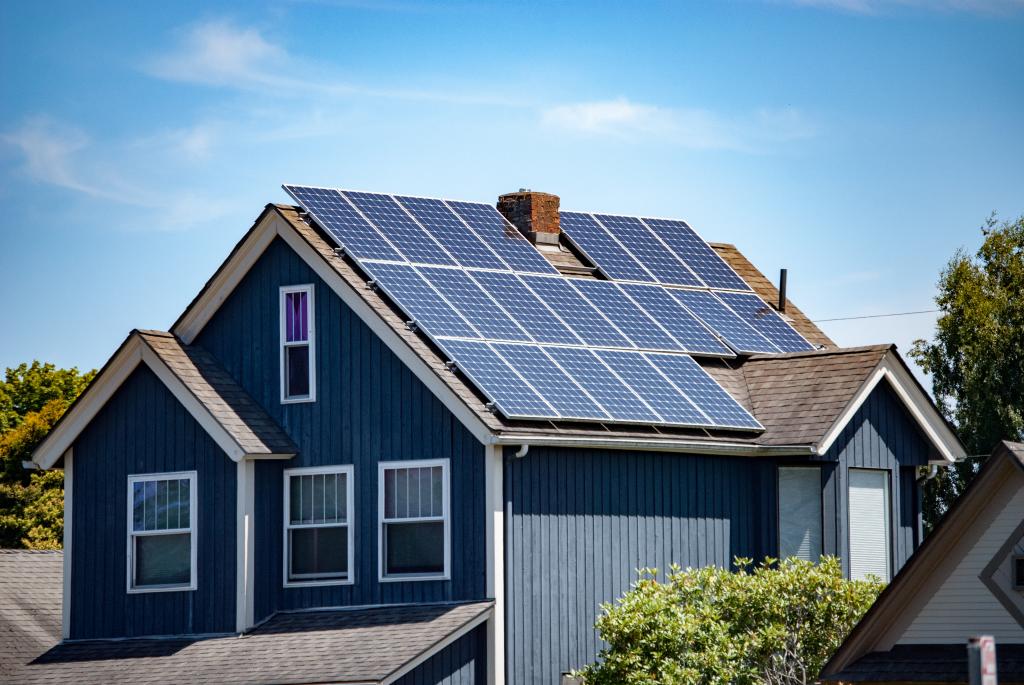 | Residential Solar Panel Installation Residential Solar Panel Installation Solsken Energy LLP provides reliable and customized Residential Solar Panel Installation services to help homeowners reduce electricity bills and... |
What ownership risks should decide the final choice?
A short stay, low consumption, renting, poor roof, or limited roof area can make grid power the safer choice. Do not fund a residential solar installation if you cannot recover its cost before moving.
| Option | Choose it when | Ownership risk |
|---|---|---|
| Grid power | You value simplicity and dependable night-time supply | You remain exposed to tariff increases and outages |
| Grid-tied solar | The roof is sound, daytime use is substantial, and self-consumption beats export value | The grid remains necessary at night and during outages |
| Battery-backed solar | Outage protection has clear financial or practical value | Batteries add cost, finite life, conversion losses, and service needs |
| Off-grid solar | Grid access is unavailable or unusable | Oversizing generation and storage for poor conditions raises cost sharply |
Read the contract before signing. Confirm ownership, financing interest, cancellation rights, transfer when the home is sold, roof-removal and reinstallation charges, production guarantees, monitoring, workmanship coverage, and responsibility if the installer closes.
Separate panel warranties from whole-system protection. A solar panel product warranty covers module defects; its power warranty covers retained output. Neither automatically covers the inverter, racking, roof penetrations, labour, or monitoring.
Ask whether the design uses a string inverter, microinverters, or power optimizers. Record each warranty term, replacement-labour coverage, and service contact, because inverter failure is separate from panel failure.
Put soiling, leaves, snow, animal damage, loose wiring, inverter faults, and flashing inspections in the ownership plan. A sound roof and a clear maintenance route protect the savings you expect.
Frequently asked questions
Which homeowners benefit from solar, and who should stay with grid power?
Solar suits homeowners with a suitable roof, steady electricity use, long occupancy plans, and a budget for installation. Grid power suits renters, households planning to move soon, shaded or structurally unsuitable properties, and buyers who prioritise no upfront system responsibility.
What happens when solar production is low or the grid fails?
A grid-tied solar system draws electricity from the grid when panels produce too little. It normally shuts off during a grid outage for worker safety. Battery backup and approved isolation equipment are required to keep selected loads operating.
How do you calculate the real cost of solar versus grid electricity?
Compare 12 months of electricity bills with the full installed solar price, financing interest, inverter or battery replacement, maintenance, insurance, and expected grid purchases. Divide the net cost by estimated lifetime kilowatt-hours to compare unit costs.
What should you collect before asking a residential solar company for a quote?
Prepare 12 months of electricity bills, the latest meter details, roof photographs, property ownership information, available roof area, phase and connection details, backup-load requirements, and any recent structural or electrical work records.
What ownership risks should decide the final choice?
Review roof repairs, warranty exclusions, inverter and battery replacement, maintenance access, financing terms, insurance, monitoring, permissions, equipment ownership, and what happens if you sell or move before the system pays back.
Related products
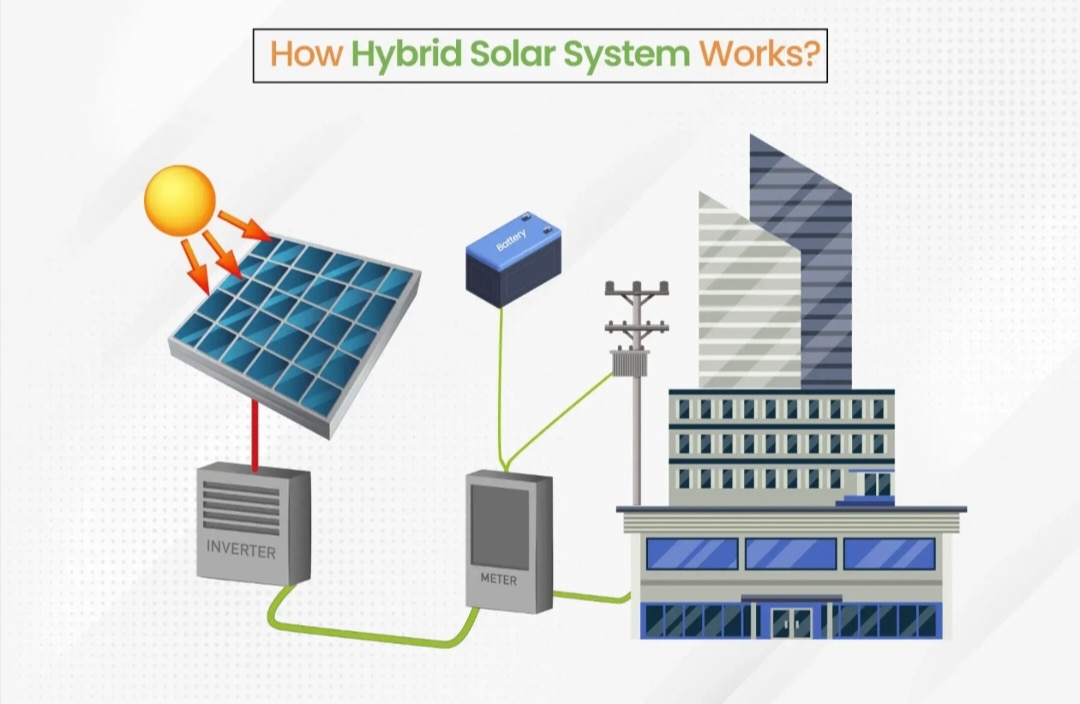 | Hybrid Solar System Installation Hybrid Solar System Installation Solsken Energy LLP provides advanced Hybrid Solar System Installation services for homes, businesses, and industrial facilities seeking reliable,... |
 | Rooftop Solar Installation Rooftop Solar Installation Solsken Energy LLP provides reliable and efficient Rooftop Solar Installation services for residential, commercial, and industrial properties. |
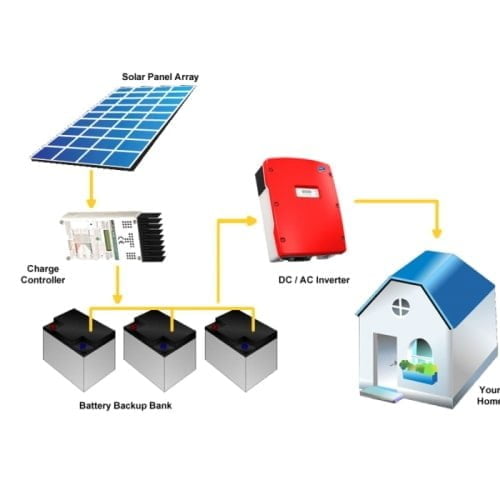 | Off-Grid Solar System Installation Off-Grid Solar System Installation Solsken Energy LLP specializes in Off-Grid Solar System Installation for locations where grid electricity is unavailable, unreliable, or frequently... |
 | Solar Panel Maintenance (AMC) Solar Panel Maintenance (AMC) At Solsken Energy LLP, we offer comprehensive Solar Panel Maintenance (AMC) services to keep your solar power system operating at maximum efficiency... |
Keywords